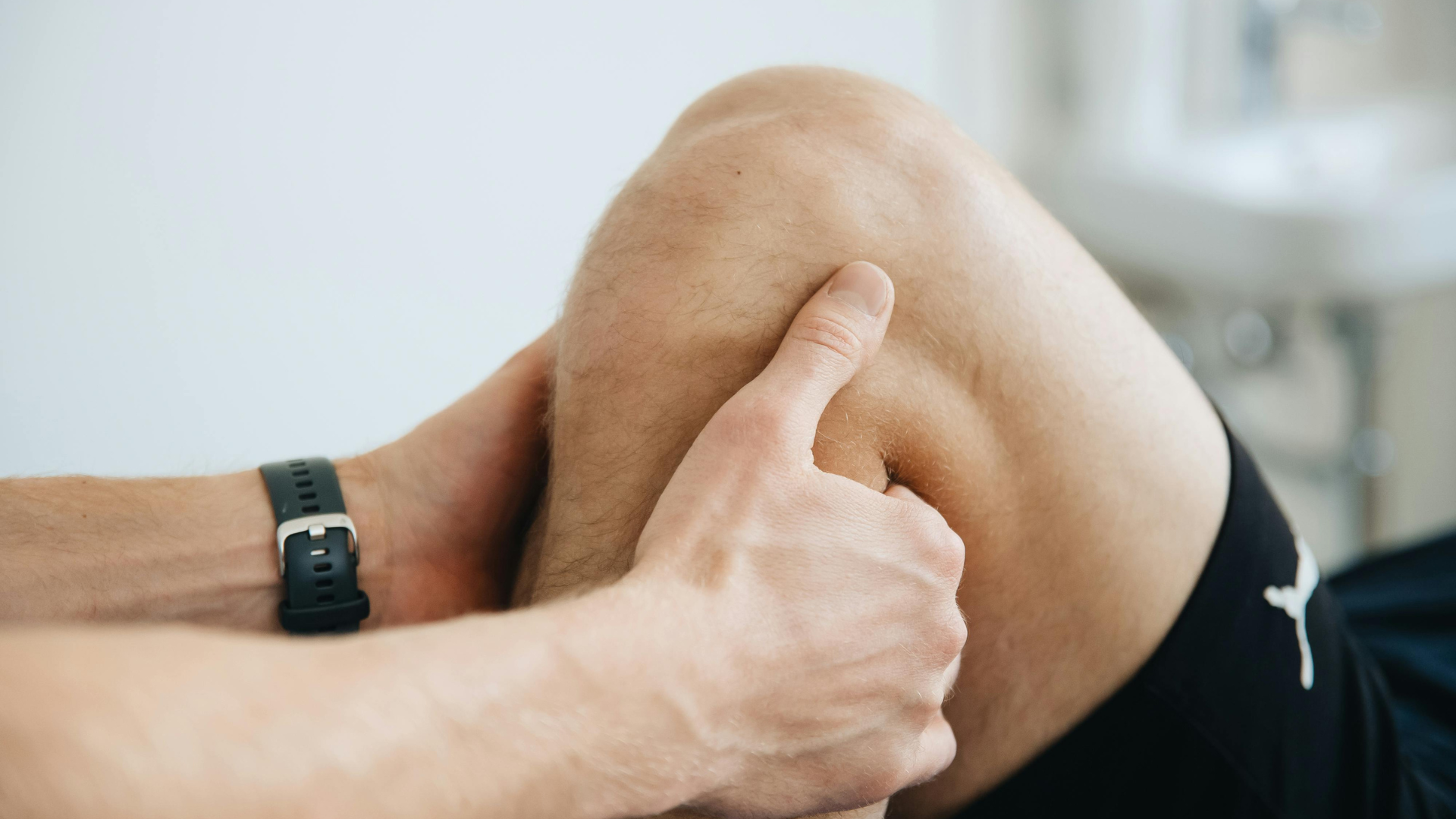
If you're wondering whether to see a massage therapist or a physiotherapist, the answer depends on what you're experiencing. Physiotherapists are CORU-registered healthcare professionals who can assess, diagnose and treat injuries and medical conditions. Massage therapists work within a different professional scope, helping with muscles, soft tissue, tension, recovery and relaxation, but they do not diagnose injuries or medical conditions.
Over the last few months, I’ve had many enquiries from people asking about treatment for conditions such as acute back pain that has just happened. In many of those cases, massage is not the right first step. If your back has suddenly gone into spasm, deep hands-on work is often the last thing it wants.
That's why I wanted to explain the difference between physiotherapy and massage therapy, and when each one may be appropriate.
It is something that comes up quite often, especially here in Ireland. Since I moved back, I’ve been called a physio many times. I completely understand why people say it, because both physiotherapists and massage therapists work physically on the body, and there can be some overlap in the types of clients we see.
However, there are important differences between the professions, especially when it comes to training, registration, protected titles, diagnosis and scope of practice.
This guide isn't about deciding which profession is better. It's about helping you understand the different roles, where the professional boundaries lie and how to choose the right person for your individual needs. In many situations, physiotherapists, sports therapists and massage therapists can work together to provide the most appropriate care.
In this guide you'll learn:
- The difference between a physiotherapist and a massage therapist in Ireland
- When you may benefit from seeing a physiotherapist first
- What a massage therapist can and cannot do
- How physiotherapy and massage therapy can work together
- Why professional titles matter
- How to choose the right professional for your situation
Physiotherapy in Ireland
Physiotherapy in Ireland is a regulated healthcare profession focused on assessing, diagnosing and treating injuries, movement problems and a wide range of health conditions. Physiotherapists help people restore movement, reduce pain, improve physical function and support recovery following injury, surgery or illness.
Depending on your needs, a physiotherapist may assess how you move, identify the underlying cause of your symptoms and create a personalised rehabilitation plan. Treatment can include exercises, movement assessment, manual therapy, strength and mobility work, injury management and advice to help support your recovery.
Physiotherapists work in hospitals, private clinics, sports settings, rehabilitation centres and community healthcare services, helping people of all ages manage everything from sports injuries and back pain to neurological conditions and post-operative rehabilitation.
In Ireland, physiotherapists are regulated health professionals registered with CORU. The Physiotherapists Registration Board register opened on 30 September 2016, and the professional titles "physiotherapist" and "physical therapist" became legally protected on 30 September 2018. This means only someone who is appropriately qualified and registered can legally use those titles.
As a massage therapist, I work physically with the body, but I cannot call myself a physiotherapist or physical therapist, nor would I want to mislead anyone by doing so. My work sits within a different professional scope.
One of the biggest differences between the two professions is diagnosis. Physiotherapists can assess and diagnose injuries and medical conditions within their scope of practice. Massage therapists cannot. Instead, we work with soft tissue, muscle tension, mobility support, recovery and relaxation, referring clients to the appropriate healthcare professional whenever a diagnosis or medical assessment is needed.
Understanding that difference makes it much easier to decide whether you should book an appointment with a physiotherapist or whether massage therapy may be the more appropriate option.
What Is a Massage Therapist in Ireland?
A massage therapist works primarily with soft tissues, including muscles, fascia and other connective tissues. The aim is to help reduce muscular tension, improve comfort and mobility, support recovery from physical activity and promote relaxation and overall wellbeing.
If you need an injury or medical condition diagnosed, a physiotherapist is usually the right place to start. If your symptoms are primarily muscular and related to soft tissue tension, movement or recovery, massage therapy may be appropriate. When in doubt, ask a qualified professional before booking.
Unlike physiotherapists, massage therapists do not diagnose injuries or medical conditions. Instead, we work within our own professional scope, helping clients manage muscular tightness, soft tissue restrictions and general aches and pains. If I believe your symptoms need medical assessment or diagnosis, I will always recommend that you speak to your GP, a physiotherapist or another appropriate healthcare professional.
Massage therapists work with a wide variety of people, from office workers experiencing postural tension to active individuals, recreational exercisers and professional athletes looking to support recovery and maintain healthy movement.
How Do Massage Therapists Train in Ireland?
Unlike physiotherapy, there is no single standard training route for massage therapists in Ireland. Qualifications, course length and specialisms can vary considerably depending on the training provider and the type of massage being studied.
In my own case, I completed a Swedish massage diploma before progressing to sports massage training. One of my sports massage qualifications ran over six months, with three intensive training days each month, while another was completed over a longer period with training spread throughout the year.
Since qualifying, I have continued to invest in ongoing Continuing Professional Development (CPD), expanding my knowledge of anatomy, movement, fascia, scar tissue, recovery and a range of soft tissue techniques. Like many therapists, I believe learning never really stops. Every client is different, and continuing education helps me provide the safest and most appropriate care possible.
Where Does Sports Therapy Fit?
Sports therapy is a separate profession with its own training routes and scope of practice. While there can be some overlap with physiotherapy and sports massage therapy, sports therapists have a distinct role, particularly in supporting injury prevention, rehabilitation and return to activity.
Sports therapists often work with athletes and active individuals, supporting injury prevention, rehabilitation and return to activity. Training, qualifications and scope of practice can vary depending on the provider, experience and professional memberships, so it is always worth checking a practitioner's credentials.
Although sports therapy, physiotherapy and sports massage therapy can all support people with musculoskeletal problems, each profession has a different focus and works within its own professional boundaries.
Should I See a Massage Therapist or a Physiotherapist?
If you're unsure which professional is right for you, the answer usually depends on whether your symptoms need diagnosing or whether you're looking for support with muscles and soft tissues.
Consider seeing a physiotherapist first if:
- Your pain has come on suddenly without an obvious cause.
- You've recently had a fall or significant injury.
- You have numbness, tingling or weakness.
- You're recovering from surgery.
- You think you may have a ligament, tendon, joint or nerve injury.
- You need a diagnosis or rehabilitation programme.
Massage therapy may be appropriate if:
- You have muscular tightness or stiffness.
- You're experiencing tension in your neck, shoulders or back.
- You want support recovering after exercise or sport.
- You have postural discomfort from work or daily activities.
- You're looking to reduce muscular tension and improve movement.
- You're seeking relaxation or help managing stress-related muscle tightness.
If you're ever unsure, I'd much rather you asked first than booked the wrong appointment. If I believe your symptoms would be better assessed by a physiotherapist, GP or another healthcare professional, I'll always tell you.
What Can a Massage Therapist Help With?
Massage therapy focuses on the body's soft tissues, including muscles, fascia and other connective tissues. While every client is different, many people seek massage therapy to help reduce muscular tension, improve movement, support recovery and encourage relaxation.
Depending on your individual circumstances, massage therapy may be appropriate for:
Muscle Tightness and Stiffness
Whether caused by exercise, work or everyday activities, muscles can become tight and uncomfortable. Massage therapy aims to reduce tension within the soft tissues, helping many people feel looser and more comfortable.
Neck, Shoulder and Back Tension
Long hours sitting at a desk, driving or repetitive activities can contribute to muscular tension around the neck, shoulders and back. Massage therapy can help address soft tissue tightness in these areas and support improved comfort and movement.
Sports Recovery
Whether you're a recreational runner, regular gym-goer or competitive athlete, massage therapy may help support recovery following training or competition by working with tired muscles and soft tissues.
Postural Muscle Tension
Poor posture, repetitive movements and prolonged sitting can place additional strain on certain muscle groups. Massage therapy can help address the resulting soft tissue tightness while encouraging better movement.
Stress-Related Muscle Tension
Stress doesn't only affect the mind. Many people carry tension physically, particularly around the neck, shoulders and upper back. Massage therapy may help promote relaxation and reduce muscular tension associated with stress.
Ongoing Soft Tissue Maintenance
Some clients choose regular massage therapy as part of their general wellbeing routine. Keeping muscles and soft tissues in good condition may help support comfort, movement and recovery over time.
It's important to remember that every person is different. Before beginning any treatment, I carry out an assessment to understand your symptoms, medical history and goals. If I believe massage therapy isn't the most appropriate option, I'll explain why and, where necessary, recommend that you seek advice from the appropriate healthcare professional.
Can Massage Therapy and Physiotherapy Work Together?
Although massage therapists and physiotherapists have different roles, they don't have to work in isolation. In many situations, the best outcome comes from each professional contributing their own expertise while working within their own scope of practice.
For example, someone recovering from a sports injury may see a physiotherapist to assess the injury, make a diagnosis and develop a rehabilitation programme. As recovery progresses, massage therapy may help support the soft tissue side of that process by working with muscular tension, stiffness and areas of discomfort that can develop during rehabilitation.
Similarly, someone experiencing ongoing neck and shoulder tension may benefit from a physiotherapist identifying movement or postural issues while using massage therapy to help reduce muscular tightness and improve comfort.
I've experienced this myself. While working in the UK, I was part of a team supporting a client who had trapped a nerve around the hip and groin area. The physiotherapist was responsible for the assessment, diagnosis and rehabilitation plan, while a cranio-sacral therapist and I each contributed within our own areas of expertise. My role was to provide soft tissue treatment as part of the wider recovery plan.
That experience reinforced something I strongly believe: healthcare professionals don't need to compete with one another. When everyone works within their own professional boundaries, the client receives the safest and most appropriate care.
Whether you begin with a physiotherapist, a massage therapist or another healthcare professional, the important thing is making sure you're seeing the right person for your individual situation. Sometimes that will involve one professional. Sometimes it may involve several working together.
Massage Therapist vs Physiotherapist: What's the Difference?
It is easy to see why people sometimes mix up physiotherapy and sports massage therapy. Both professions work with the body, both may support people with pain or restricted movement, and both can play a role in recovery.
The main difference is scope of practice. A physiotherapist can assess, diagnose and treat injuries, medical conditions and movement-related issues. A sports massage therapist works with soft tissue, muscle tension, recovery support, relaxation, mobility support and general body maintenance, but does not diagnose.
If you are dealing with sudden, severe, acute or unexplained pain, a physiotherapist, GP or another appropriate healthcare professional may be the right first step. If you are dealing with muscular tension, soft tissue restriction, sports recovery, stress-related tightness or general aches, massage therapy may be suitable.
The table below compares the three professions side by side. While there can be some overlap, each profession has a different scope of practice, training pathway and role in supporting your health and recovery.
Remember that individual qualifications and experience can vary, so this comparison is intended as a general guide rather than a description of every practitioner.
| Area | Physiotherapist | Sports Therapist | Massage Therapist / Sports Massage Therapist |
|---|---|---|---|
| Primary role | Assess, diagnose, treat and rehabilitate injuries and medical conditions. | Support injury prevention, rehabilitation and return to activity. | Work with muscles and soft tissues to support recovery, movement and relaxation. |
| Can diagnose? | ✔ Yes, within professional scope. | Depends on qualifications, training and scope of practice. | ✖ No. Massage therapists do not diagnose injuries or medical conditions. |
| Regulation in Ireland | CORU-registered regulated health profession. | Not regulated by CORU in the same way as physiotherapists. | Not regulated by CORU in the same way as physiotherapists. |
| Protected title | "Physiotherapist" and "Physical Therapist" are legally protected. | Not a protected title in the same way. | Not protected titles in the same way. |
| Typical treatment | Assessment, rehabilitation, exercise therapy, manual therapy, movement advice and injury management. | Rehabilitation support, injury prevention, performance and return to sport. | Soft tissue massage, muscle tension, mobility support, recovery and relaxation. |
| Who they commonly help | People with injuries, pain, post-operative rehabilitation and medical conditions. | Active individuals and athletes recovering from or preventing sports injuries. | People with muscular tension, stiffness, postural discomfort, stress or those seeking recovery support. |
| Training | University degree leading to CORU registration. | Varies depending on qualification and provider. | Varies depending on qualification, provider and specialism, with ongoing CPD encouraged. |
| Can work alongside other professionals? | ✔ Yes | ✔ Yes | ✔ Yes |
This table is only a general guide. Training, experience and specialisms can vary a lot between individual practitioners, so it is always worth checking someone’s qualifications, insurance and scope of practice.
Why Professional Titles Matter
Professional titles exist to help the public understand who they are seeing, what that person is qualified to do and the scope of care they can provide.
In Ireland, the titles "physiotherapist" and "physical therapist" are legally protected. This means only practitioners who are appropriately qualified and registered with CORU can use those titles.
Massage therapists work within a different professional scope. While we also work hands-on with the body, our role focuses on soft tissue, muscular tension, movement, recovery and relaxation rather than diagnosing injuries or medical conditions.
Using the correct professional title helps set clear expectations from the beginning. It allows clients to make informed decisions about their care and ensures they know when they may need a physiotherapist, GP or another healthcare professional instead.
For me, using the correct title is also about honesty and professionalism. If I believe someone would benefit more from seeing a physiotherapist or another healthcare professional, I'll always say so. My aim is to make sure every client receives the most appropriate care for their individual needs, even if that means referring them elsewhere.
Why I Use the Term "Massage Therapist"
One final thing I wanted to mention is the language used around massage.
Many professional massage therapists prefer to be called “massage therapist” rather than “masseuse” or “masseur”.
While those words are technically old terms for someone who gives massage, they can carry certain connotations that do not reflect the professional, clinical or therapeutic nature of the work.
Massage therapy is a skilled profession. It involves training, anatomy, assessment within scope, boundaries, consent, hygiene, client care, contraindications and ongoing professional development.
The term “massage therapist” better reflects that.
Choosing the Right Massage Therapist
If you've decided massage therapy may be the right option, it's worth taking a few minutes to check the therapist's qualifications, experience and approach.
Consider asking:
- What qualifications and professional training have they completed?
- Do they regularly undertake Continuing Professional Development (CPD)?
- Do they have experience working with people who have similar concerns?
- Do they explain when massage may not be appropriate?
- Are they happy to refer you to another healthcare professional if your symptoms fall outside their scope of practice?
A professional massage therapist should be happy to answer these questions and explain how they work. Choosing someone who practises safely, works within their scope and puts your wellbeing first can help ensure you receive the most appropriate care.
Frequently Asked Questions
Below are some of the questions I'm most often asked about massage therapy, physiotherapy and choosing the right treatment.
Are massage therapists the same as physiotherapists?
No, massage therapists are not the same as physiotherapists. Physiotherapists are regulated health professionals who can assess, diagnose and treat injuries and medical conditions.
Massage therapists work within a different scope of practice. We focus mainly on soft tissue, muscle tension, mobility support, recovery and relaxation. A massage therapist cannot diagnose, even with years of experience.
Can a massage therapist diagnose an injury?
No, a massage therapist cannot diagnose an injury. Diagnosis is outside the scope of massage therapy.
A massage therapist can identify areas of muscle tension, restriction, sensitivity or soft tissue discomfort. However, we cannot tell you that you have a specific injury, condition or pathology. If your symptoms need diagnosis, you should speak to a GP, physiotherapist or another appropriate healthcare professional.
Should I see a physiotherapist or a massage therapist for back pain?
You should see a physiotherapist, GP or another appropriate healthcare professional first if your back pain is sudden, severe, acute, unexplained or linked with symptoms such as numbness, pins and needles, weakness or pain after a fall.
Massage therapy may be helpful for general muscular tension, ongoing tightness, stress-related back discomfort or recovery support. However, if your back has suddenly gone into spasm, deep massage is usually not the first thing it needs. In that case, it is better to get appropriate advice first.
Can sports massage help with injuries?
Sports massage can support recovery from some soft tissue discomfort, muscle tightness and general aches, but it does not replace physiotherapy or medical care.
If you have an injury that needs diagnosis, a rehabilitation plan, imaging, medical advice or specialist assessment, you should see the appropriate healthcare professional. Sports massage can often work well alongside physiotherapy by supporting the soft tissue side of recovery.
Do physiotherapists do massage?
Some physiotherapists use massage, but many do not use it as their main treatment approach. Physiotherapy usually focuses more on assessment, rehabilitation, exercise prescription, movement and recovery planning.
Massage is only one part of physiotherapy training. Some physiotherapists choose to complete extra sports massage training, while some massage therapists complete ongoing CPD to develop their soft tissue skills further.
Why do you prefer the term massage therapist instead of masseuse or masseur?
Many professional massage therapists prefer the term “massage therapist” because it better reflects the training, professionalism and therapeutic nature of the work.
The words “masseuse” and “masseur” are older terms and can carry connotations that do not fit with professional massage therapy. Massage therapy involves training, anatomy, consent, boundaries, hygiene, contraindications, client care and ongoing professional development.
Final Thoughts
Choosing between a massage therapist and a physiotherapist isn't about deciding which profession is better. It's about understanding what each professional is trained to do and choosing the person whose expertise best matches your needs.
Physiotherapists play an important role in assessing, diagnosing and rehabilitating injuries and medical conditions. Massage therapists focus on soft tissue, muscular tension, recovery, relaxation and helping people move and feel more comfortable within their own professional scope.
In many situations, the best results come when different healthcare professionals work together, each contributing their own knowledge and experience while staying within their areas of expertise.
If you're unsure whether massage therapy is appropriate for your symptoms, you're always welcome to get in touch. I'll be happy to answer your questions, and if I believe another healthcare professional would be better placed to help, I'll always tell you.
Ultimately, my priority is making sure you receive the safest, most appropriate and most effective care for your individual situation.
This article has been reviewed for accuracy by Jane Stokes, a qualified massage therapist based in Cahir, County Tipperary. It reflects their professional experience treating clients across South Tipperary and surrounding areas.